Book a consultation

PRP Hair Treatment in Malaysia: Who It Suits, Sessions and Results
Medically reviewed by Dr. Corine Chua, Medical Director, RenewLife Healthcare.
PRP hair treatment uses a concentrate of your own platelets to support tired hair follicles and encourage healthy hair growth. It is one of the most popular non-surgical options for hair thinning in Malaysia, and the research behind it is encouraging. Large reviews of clinical trials show that PRP therapy can increase hair density and reduce hair shedding in people with pattern hair loss [1][2].
This guide explains how the treatment works, who it suits, how many sessions you may need, when results appear and what shapes the cost.
PRP is coming soon to RenewLife. You can register your interest and we will let you know as soon as appointments open. In the meantime, our doctors offer a full hair loss assessment and exosome scalp therapy today.
What is PRP hair treatment?
The name stands for platelet-rich plasma. Platelets are best known for helping blood clot, but they also carry growth factors that help tissues repair and renew. In PRP hair treatment, a small amount of your own blood is processed to concentrate these platelets, and the plasma is then injected into the scalp where hair is thinning. The growth factors act on each hair follicle in the area, supporting hair regrowth. Because it comes from your own blood, PRP treatment is described as autologous.
How PRP hair treatment works, step by step
- Consultation and assessment. Your doctor looks at the pattern of your hair loss, your health history and, where helpful, blood tests to check for causes such as iron, thyroid or hormone changes.
- Blood draw. A small sample of blood is taken from your arm, much like a routine blood test.
- Preparation. The blood is spun in a centrifuge to separate and concentrate the platelet-rich plasma. Studies suggest that a double-spin preparation gives better results than a single spin [3].
- Injections. Your doctor uses very fine needles to inject the plasma where it is needed. A numbing cream or cooling helps keep you comfortable.
- Back to your day. A session usually takes under an hour, and most people return to their normal routine straight away.
Who PRP hair treatment suits
It tends to suit people who:
- have early to moderate pattern hair loss (androgenetic alopecia), in men or women;
- notice general thinning, a widening parting or more hair on the pillow or in the shower;
- would like a non-surgical option, or want to support results alongside other treatments.
Women often respond well to this treatment [4], which makes it a helpful option for female pattern hair loss.
The treatment works best where each hair follicle is still active, so it is not designed to regrow hair on areas that have been completely bald for a long time. Your doctor will also check whether it is right for you if you have a blood or platelet disorder, take blood-thinning medicines, have an active scalp infection, are pregnant or are undergoing cancer treatment.
How many PRP sessions do you need for hair?
Most plans start with a course of several sessions spaced about a month apart, followed by top-up sessions every few months to maintain the results. Research suggests that more sessions at shorter intervals give stronger results [4], so your doctor will design a schedule around your goals.
When will you see results?
Many people first notice less shedding. Improvements in hair density are usually measured at around three to six months in clinical studies [2]. Hair grows slowly, so patience and consistent sessions are part of getting the best result. Your doctor can take photos at each visit so you can see your progress clearly.
PRP or a hair transplant?
A hair transplant moves healthy follicles from the back of the head to thinning or bald areas in a surgical procedure, usually at a hair transplant clinic. Platelet-rich plasma is non-surgical and works with the follicles you already have, so it suits earlier hair thinning, while a transplant suits more advanced loss. The two can also work together as part of a wider hair restoration plan, and your doctor can advise which route fits your stage of hair loss.
PRP works well alongside other treatments
It can also be combined with other hair loss treatments. A review of clinical trials found that PRP combined with minoxidil improved hair density and thickness more than either treatment alone, and patients were more satisfied with the results [6]. Your doctor will recommend the combination of hair restoration treatments that suits your type of hair loss and your preferences.
Is PRP hair treatment safe? What are the side effects?
The treatment has a good safety record. In the clinical trials reviewed, no serious side effects were linked to the injections [5]. Some people have temporary tenderness, mild swelling, redness or a little pinpoint bleeding where the plasma was injected into the scalp, which usually settles within a day or two. Because it comes from your own blood, the risk of an allergic reaction is very low.
What affects the cost of PRP hair treatment in Malaysia?
Treatment is priced per session or as a course. The total cost depends on:
- the number of sessions in your initial course and how often you need top-ups;
- the preparation method and kit used to concentrate the platelets;
- whether it is combined with other treatments, such as medicines or exosome therapy;
- whether a doctor-led assessment and blood tests are included.
A course is often better value than single sessions, and a clear, itemised quote helps you compare clinics fairly.
PRP or exosome therapy for hair?
Both aim to support hair follicles with growth signals. PRP uses your own platelets, while exosome therapy uses signalling molecules released by stem cells and does not need a blood draw. Some people choose one, and some combine both. Your doctor can explain which suits your hair loss best. Read more about exosome therapy at RenewLife.
Hair loss care at RenewLife, Petaling Jaya
Good hair loss care starts with understanding why it is happening. At RenewLife, our doctors look at genetic, hormonal, nutritional and stress-related factors before recommending treatment, then build a plan that fits you. Learn more on our hair loss treatment page, or, for women, our hormonal imbalance care.
PRP is coming soon to our Petaling Jaya clinic. Register your interest to be among the first to book, or message our team on WhatsApp to start with a hair loss assessment today.
Frequently asked questions
Does PRP really work for hair loss?
For many people, yes. Reviews of clinical trials show that PRP can increase hair density and reduce shedding in pattern hair loss [1][2]. Results vary from person to person, which is why a doctor’s assessment matters.
How many PRP sessions are needed for hair?
Most plans start with a course of several sessions about a month apart, followed by top-ups every few months. Your doctor will tailor the schedule to you.
Is PRP for hair painful?
Most people find PRP treatment very manageable. Numbing cream or cooling keeps you comfortable, and any tenderness usually settles within a day or two.
When will I see results from PRP hair treatment?
Many people notice less shedding first. Changes in hair density and hair growth are usually seen at around three to six months.
Can women have PRP hair treatment?
Yes. PRP is used for female pattern hair loss, and women often respond well [4].
Are PRP hair results permanent?
PRP therapy supports the follicles you have and their hair regrowth, but pattern hair loss continues over time, so most people have top-up sessions to maintain their results.
Is PRP hair treatment available at RenewLife?
It is coming soon. You can register your interest now, and our doctors offer hair loss assessments and exosome scalp therapy today.
References
- Anitua E, Tierno R, Alkhraisat MH. Platelet-Rich Plasma in the Management of Alopecia: A Systematic Review and Meta-Analysis of Clinical Evidence. Dermatology and Therapy, 2025. https://doi.org/10.1007/s13555-025-01542-8
- Zhang X, et al. Platelet-Rich Plasma for Androgenetic Alopecia: A Systematic Review and Meta-Analysis of Randomized Controlled Trials. Journal of Cutaneous Medicine and Surgery, 2023. https://doi.org/10.1177/12034754231191461
- Olisova O, et al. Meta-analysis on the Efficacy of Platelet-rich Plasma in Patients with Androgenetic Alopecia. International Journal of Trichology, 2024. https://doi.org/10.4103/ijt.ijt_90_22
- Gupta AK, Bamimore M. Platelet-Rich Plasma Monotherapies for Androgenetic Alopecia: A Network Meta-Analysis and Meta-Regression Study. Journal of Drugs in Dermatology, 2022. https://doi.org/10.36849/JDD.6948
- Cruciani M, et al. Platelet-rich plasma for the treatment of alopecia: a systematic review and meta-analysis. Blood Transfusion, 2021. https://doi.org/10.2450/2021.0216-21
- Xiao C, et al. Meta-Analysis of Efficacy of Platelet-Rich Plasma Combined with Minoxidil for Androgenetic Alopecia. Aesthetic Plastic Surgery, 2024. https://doi.org/10.1007/s00266-024-04054-6
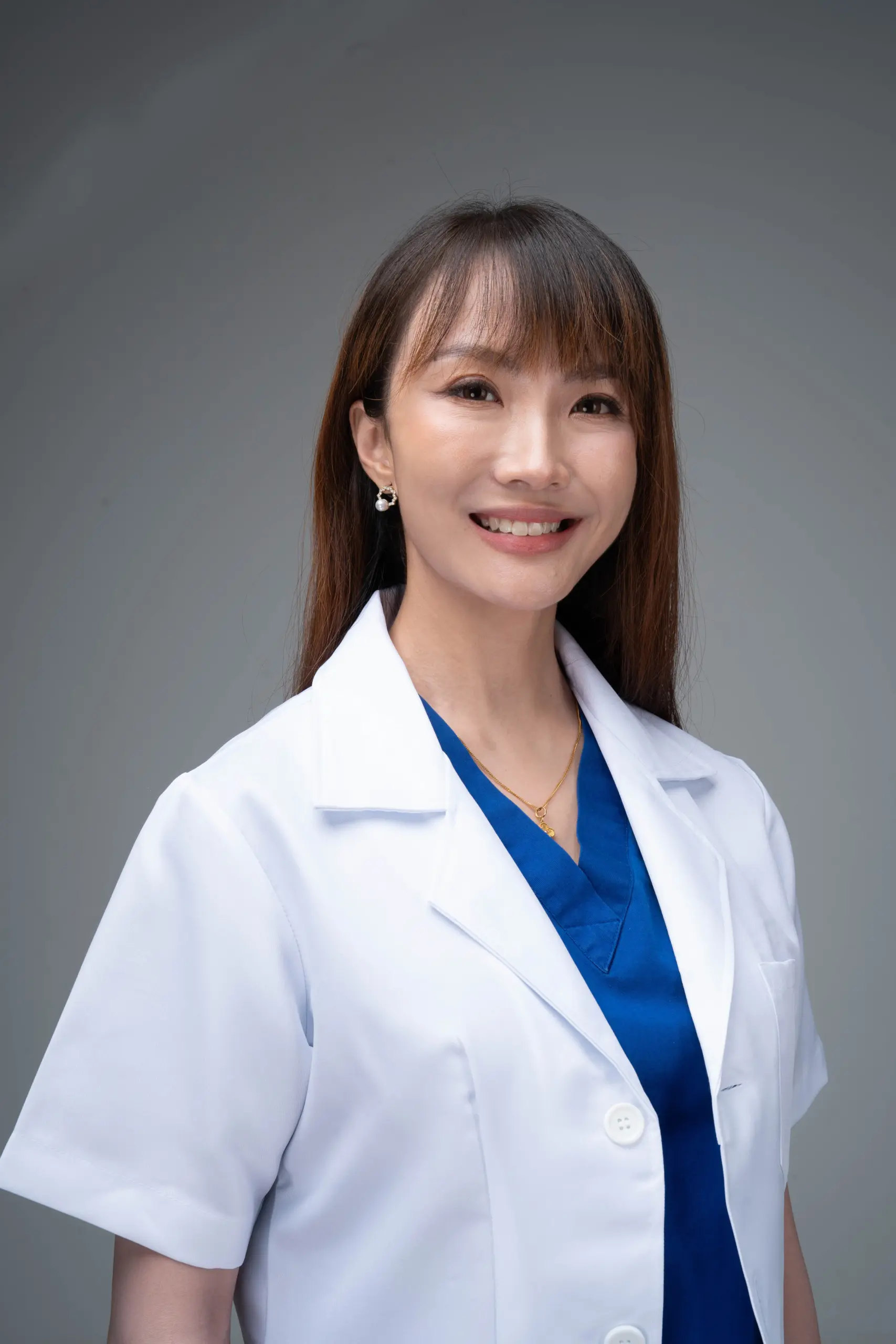
Dr Corine is a medical wellness practitioner at RenewLife, committed to helping patients achieve better health through personalised, preventive, and regenerative care. Her clinical approach focuses on understanding each individual’s needs and creating tailored wellness strategies that support long-term health, vitality, and quality of life.
Her areas of focus include regenerative wellness, women’s wellness, men’s health, metabolic health, weight management, and healthy ageing support. At RenewLife, she works closely with patients to provide professional medical guidance in a supportive and patient-centred environment.
Dr Corine believes that meaningful health transformation begins with early intervention, root-cause understanding, and a personalised plan designed for sustainable results.