Book a consultation
IV Drip Therapy in Malaysia: How It Works, Benefits, Risks and What to Expect
How IV drip therapy works, what the evidence actually supports, the real risks, and what a session costs in Malaysia.
Medically reviewed by Dr. Corine Chua, Medical Director, RenewLife Healthcare.
IV drip therapy has gone from a hospital-only treatment to a wellness-clinic fixture across Malaysia, promising everything from an energy boost to brighter skin. Some of that promise is well founded; some of it is marketing running ahead of the evidence. This guide sets out, plainly, how IV drip therapy actually works, what the research does and doesn’t support, the real risks, what a session costs in Malaysia, and how to tell a credible provider from a marketing exercise.
What Is IV Drip Therapy?
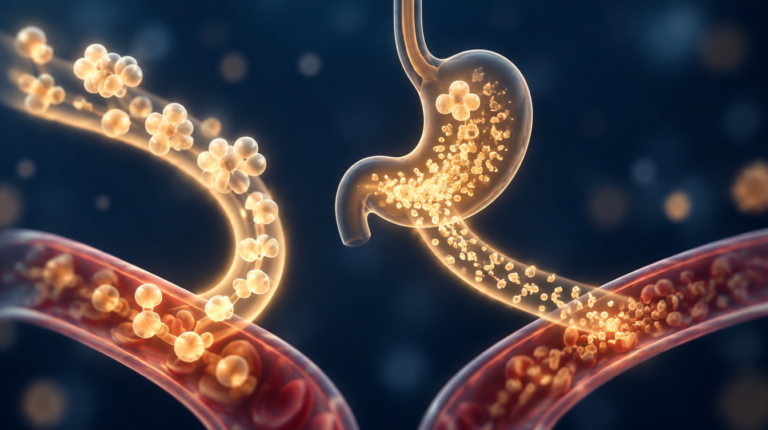
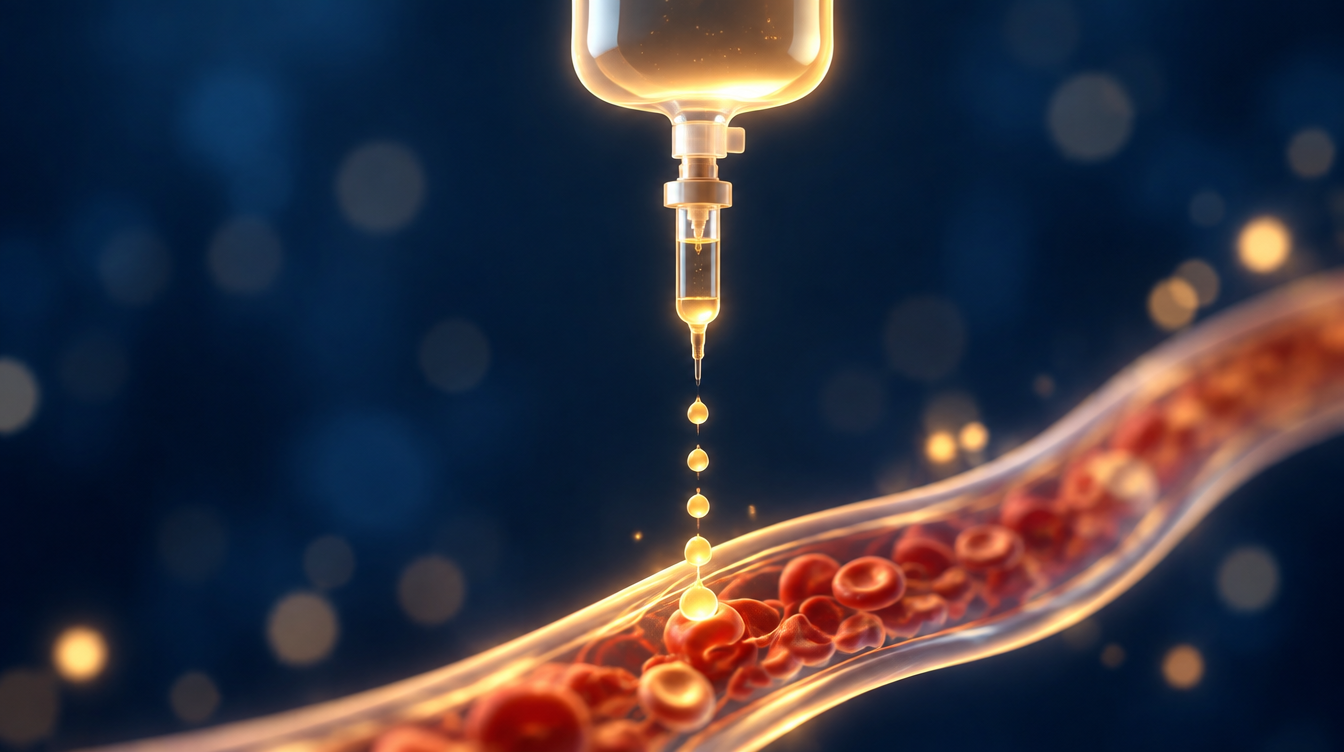
IV (intravenous) drip therapy delivers fluids, vitamins, minerals and other nutrients directly into a vein through a small catheter, bypassing the digestive system entirely. Because the digestive tract is skipped, absorption is fast and, for the amount infused, close to complete — in principle, a higher proportion of the dose reaches the bloodstream than swallowing the same nutrients as a tablet or capsule.
That is a genuine pharmacological fact. What it does not automatically mean is that more reaches your bloodstream, therefore more benefit follows — the body still only uses what it needs, and excess water-soluble vitamins such as B and C are simply filtered out by the kidneys and excreted, IV or not. How much that matters depends heavily on why you’re getting the drip in the first place, which this guide comes back to throughout.
Common Ingredients Used in IV Drips
Most IV drip formulations are built from combinations of the following:
- Saline or Ringer’s lactate — the fluid and electrolyte base used for hydration.
- B-complex vitamins — including B12, involved in energy metabolism and nerve function.
- Vitamin C — an antioxidant, sometimes used at high doses well above what is achievable orally.
- Glutathione — an antioxidant produced naturally in the body, commonly marketed (with significant caveats — see below) for skin-related goals.
- Magnesium, zinc and amino acids — added depending on the formulation’s goal, from relaxation to metabolic support.
- NAD+ — a coenzyme involved in cellular energy production, used in longer, more specialised infusions.
The specific mix, and the honesty of the claims attached to it, is where formulations genuinely differ between providers — which is exactly why the ingredient list matters more than the marketing name on the drip.
Benefits of IV Drip Therapy — What the Evidence Actually Supports
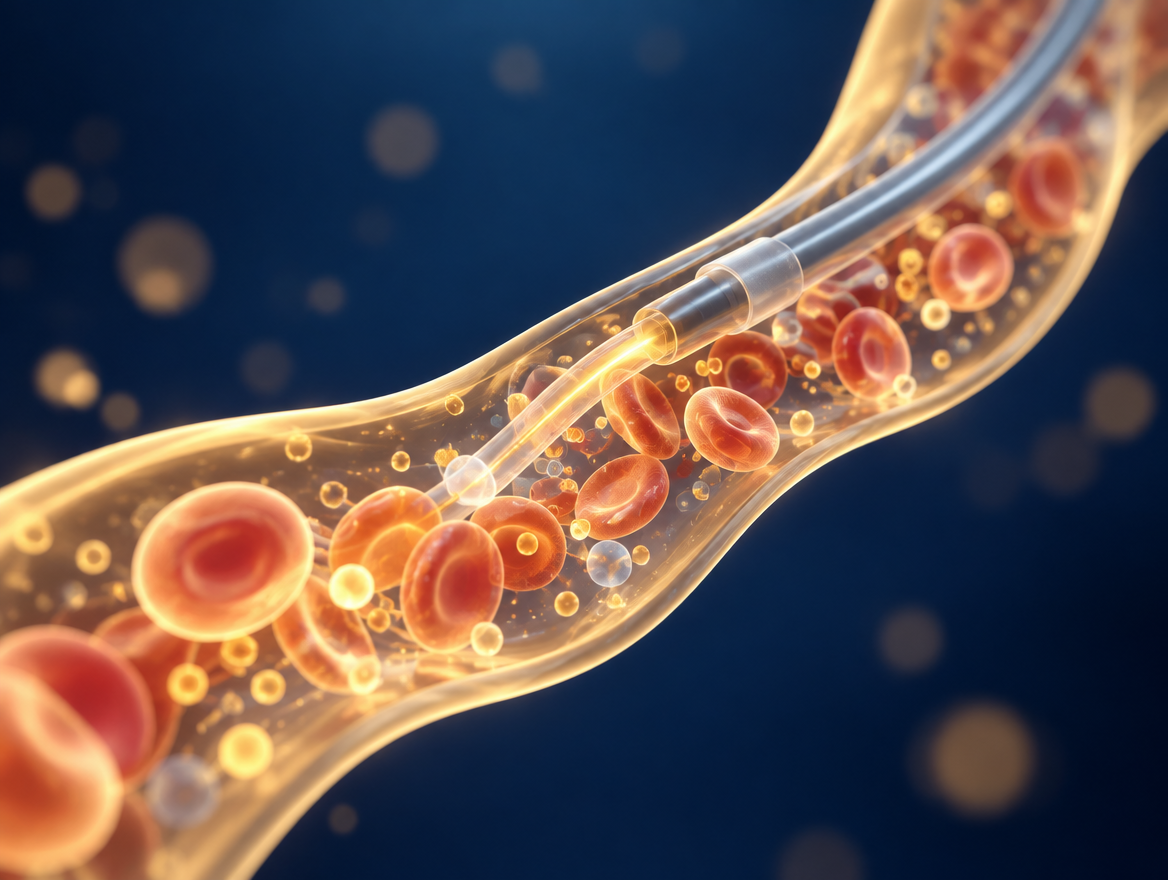
The evidence for IV drip therapy is strongest in two situations, and considerably weaker outside them:
- Correcting a genuine deficiency or malabsorption. Where the gut cannot absorb nutrients well — due to a diagnosed digestive condition, illness, or a confirmed deficiency — IV delivery is well supported and, in some clinical contexts, standard practice.
- Rehydration. The fluid and electrolyte base of most drips supports rehydration effectively, which is one of the more consistently evidence-backed uses of IV therapy generally, including for dehydration from heat, illness or a heavy night out.
Outside those situations — in a healthy, well-nourished adult seeking an energy or wellness boost — the picture is murkier. Medical reviewers, including bodies like Mayo Clinic, have been explicit that robust clinical proof of wellness benefit for healthy people remains limited, even though absorption itself is genuinely higher. Reported benefits such as more energy, better mood or brighter skin are real to many patients subjectively, but are harder to separate from hydration, the placebo response, and the simple experience of taking 30–45 minutes to sit and rest. A credible provider will be upfront about this distinction rather than promising a guaranteed outcome.
One claim worth flagging specifically: IV glutathione for skin whitening is not officially recognised by Malaysia’s Ministry of Health (KKM) as an approved cosmetic treatment. Any clinic promoting it as a guaranteed whitening procedure, rather than general antioxidant and wellness support, is overstating what is actually approved and evidenced.
Types of IV Drips Available
Formulations are generally built around a specific goal. At RenewLife, the IV drip range includes:
- NAD+ IV Therapy — cellular energy and longevity-focused support
- Immune Booster & Antioxidant IV Therapy
- Lumina Skin Radiance IV (glutathione & vitamin C)
- Liver Renew IV
- Men’s Power Vitality IV
- Metabolic Boost IV
- Serenity Relaxation & Sleep IV
- Vitality Energy & Burnout IV
- Heart Prime IV
- Metabolic Boost IV
- Nerve+ IV
- Gluco Balance IV
- Knee, Joint & Post-Exercise Recovery Drip
Each formulation has its own evidence profile, realistic expectations and specific FAQ — worth reading the individual drip page before booking, since “IV drip” is not one single treatment with one single effect.
Who Is IV Drip Therapy Suitable For — and Who Should Avoid It?
IV drip therapy is generally considered for healthy adults seeking hydration, nutritional support or a specific wellness goal, and for those with a confirmed deficiency under medical guidance. It is generally avoided or requires specific caution for people with significant heart or kidney conditions, since IV fluid adds volume to the circulatory system that a compromised heart or kidney may not manage well, and for certain other medical conditions your doctor will screen for during consultation. This is precisely why a proper medical consultation and assessment — not a walk-in “pick your drip” menu — should always come first.
Is IV Drip Therapy Safe? Risks and Side Effects
When performed by a trained professional in a clean, licensed clinical setting, IV drip therapy is generally well tolerated. Realistic risks include:
- Minor and common: bruising, tenderness or vein irritation (phlebitis) at the injection site, usually resolving within a day or two.
- Less common: infection, if sterile technique is not properly followed — which is why the setting and the provider’s protocols matter as much as the formulation.
- Rarer but more serious: allergic reactions to specific ingredients, and electrolyte or fluid-balance shifts, particularly relevant for anyone with existing heart or kidney conditions.
The single biggest safety factor is not the ingredients — it’s whether the provider properly screens you first. Skipping consultation and assessment to get straight to the drip is a red flag, not a convenience.
What to Expect During a Session
A typical visit follows four steps: consultation (your health history and goals are discussed), assessment (a doctor evaluates your suitability), a personalised formulation based on that assessment, and the infusion itself, usually taking around 30–45 minutes through a small IV line while you sit comfortably. Most people resume normal activities immediately afterward. Effects, where felt, typically begin within minutes to a few hours.
How Often Should You Get IV Drip Therapy?
Frequency depends entirely on the goal and formulation — there is no universal schedule. Hydration-focused drips may be used occasionally and as needed; ongoing wellness or deficiency-correction formulations are typically built into a short course with follow-up, so progress can actually be tracked rather than assumed. Your doctor should recommend a specific plan based on your assessment, not a generic “come back weekly” default.
IV Drip Therapy vs Oral Supplements
The short version: IV bypasses digestion and achieves near-complete absorption for the amount infused, which is genuinely useful for a confirmed deficiency or malabsorption. For most healthy people maintaining general nutrition, oral supplements remain effective, far cheaper, and more convenient for daily use — IV therapy is not simply “the stronger version” of a multivitamin. We’ve set out the full comparison, including cost, safety and when each actually makes sense, in a dedicated guide: IV Drip Therapy vs Oral Vitamins: Which Should You Choose?
How Much Does IV Drip Therapy Cost in Malaysia?
Pricing varies by formulation and provider. At RenewLife, individual IV drip therapies range from around RM160 to RM760 per session depending on the formulation, with more specialised options such as NAD+ IV therapy priced individually at consultation based on dosage. Across Malaysia more broadly, published pricing for wellness IV drips commonly spans roughly RM150 to RM1,000+ per session. Treat any price quoted without a prior consultation or assessment with caution — a credible quotation follows an assessment, not a price list.
Frequently Asked Questions
What is IV drip therapy used for?
IV drip therapy is used for rehydration, correcting confirmed nutrient deficiencies, and general wellness support — energy, immune support, skin-related antioxidant support and recovery are among the goals different formulations target. The strength of evidence varies by goal; rehydration and deficiency correction are the most consistently supported uses.
How much does an IV drip cost in Malaysia?
At RenewLife, individual drips range from around RM160 to RM760 per session depending on formulation, with specialised options like NAD+ priced individually. More broadly across Malaysia, pricing commonly ranges from roughly RM150 to RM1,000+ depending on the clinic and ingredients. Book a consultation for a personalised quotation.
Is IV drip good for the body?
It depends on why you’re having it. For rehydration or a confirmed deficiency, yes — the evidence is solid. For general wellness in an already well-nourished healthy adult, the evidence for meaningful additional benefit is weaker, even though the ingredients themselves are generally safe when properly administered. A doctor-led assessment is what determines which category applies to you.
What are the downsides of IV therapy?
The main downsides are cost relative to oral alternatives, the small but real risks of any IV procedure (bruising, vein irritation, rare infection or allergic reaction), and the fact that, for a well-nourished healthy person, much of the marketed benefit is harder to prove than the marketing suggests. It also requires a clinical visit rather than a pill you take at home.
If you’re considering IV drip therapy, a proper consultation is the right starting point — explore IV Drip Therapy options at RenewLife or book a doctor-led assessment in Petaling Jaya.

Dr Corine is a medical wellness practitioner at RenewLife, committed to helping patients achieve better health through personalised, preventive, and regenerative care. Her clinical approach focuses on understanding each individual’s needs and creating tailored wellness strategies that support long-term health, vitality, and quality of life.
Her areas of focus include regenerative wellness, women’s wellness, men’s health, metabolic health, weight management, and healthy ageing support. At RenewLife, she works closely with patients to provide professional medical guidance in a supportive and patient-centred environment.
Dr Corine believes that meaningful health transformation begins with early intervention, root-cause understanding, and a personalised plan designed for sustainable results.