Book a consultation
Stem Cell Therapy: What Patients in Malaysia Should Know
What stem cell therapy can and cannot do today, how treatment works in Malaysia, and the questions to ask before you start.
Medically reviewed by Dr. Corine Chua, Medical Director, RenewLife Healthcare.
Few areas of modern medicine attract as much attention — and as much confusion — as stem cell therapy. Malaysians increasingly encounter stem cell treatment offers in clinics, on social media, and even in beauty marketing, with claims ranging from realistic to impossible. This guide sets out what patients should actually know before considering stem cell therapies — one of the most researched areas of modern regenerative medicine: how they work, what they can and cannot do, what they cost in Malaysia, and the red flags that should make you walk away.
What Are Stem Cells?
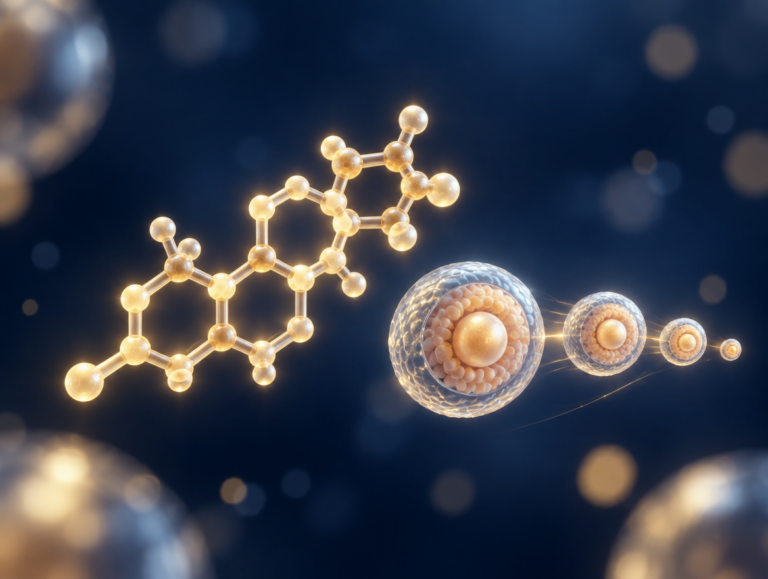
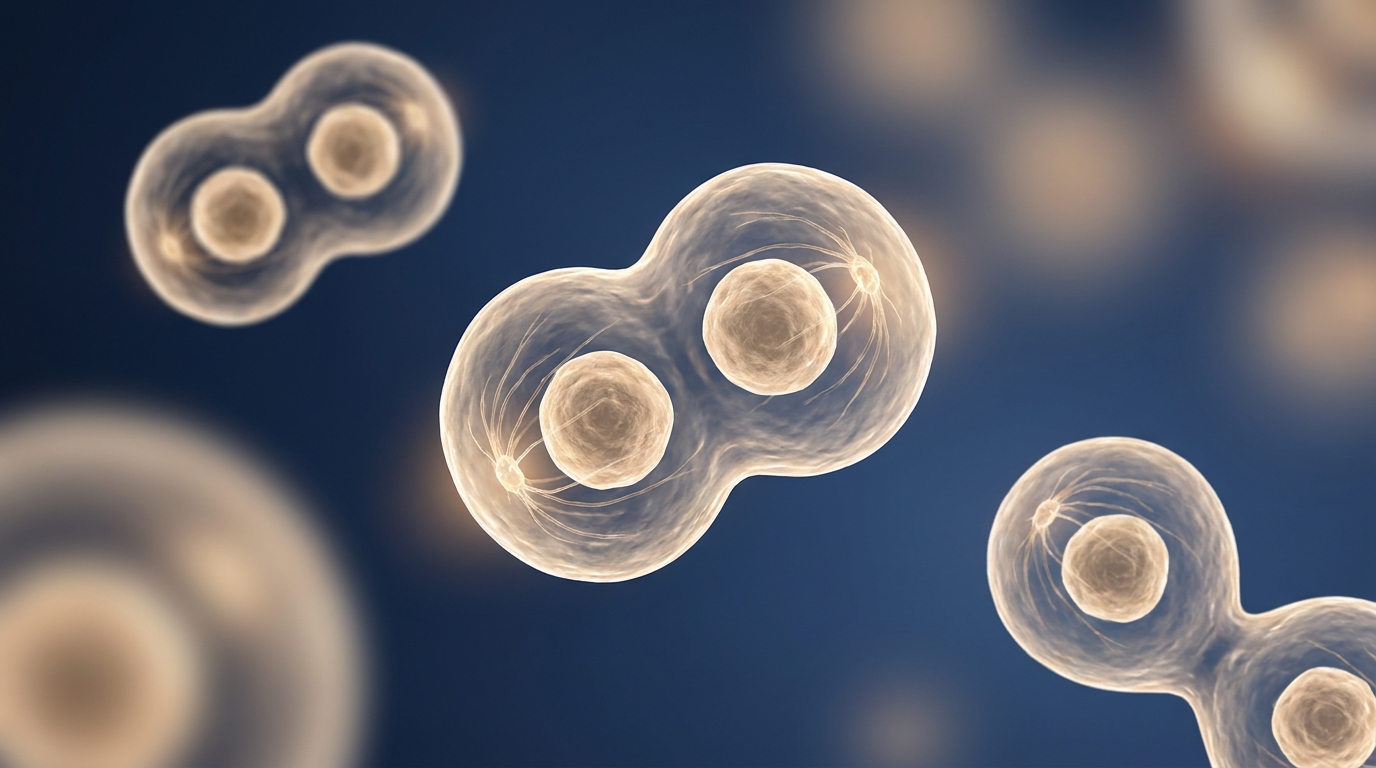
Stem cells are the body’s foundation cells: unlike specialised cells such as muscle or nerve cells, stem cells can renew themselves and develop into different cell types. This ability makes stem cells central to how the body grows, maintains and repairs its tissues throughout life.
Not all stem cells are the same — each type of stem cell behaves differently, and the differences matter medically:
- Adult stem cells (also called tissue-specific stem cells) are found in tissues such as bone marrow and fat. The most widely used in regenerative medicine are mesenchymal stem cells (MSCs), studied for their tissue-repair signalling and immune-modulating properties.
- Hematopoietic stem cells — blood stem cells found in bone marrow, peripheral blood and cord blood — have the longest clinical track record. Peripheral blood stem cells are routinely collected for transplantation in hospital settings. A blood stem cell transplant has been an established treatment for certain blood cancers such as leukaemia for decades — in these diseases, healthy donor cells replace the cancer cells destroyed by chemotherapy.
- Embryonic stem cells are pluripotent — capable of becoming almost any cell type — but their clinical use is tightly restricted worldwide for ethical and safety reasons, and they are not what private clinics in Malaysia offer.
- Induced pluripotent stem cells (iPSCs) are adult cells reprogrammed in the laboratory to behave like embryonic stem cells. They are a major focus of stem cell research on human stem cells worldwide, but not a routine clinical treatment.
When a Malaysian clinic offers “stem cell therapy”, it almost always means mesenchymal stem cell treatment — so that is what the rest of this guide focuses on.
How Does Stem Cell Therapy Work?
Older explanations suggested transplanted stem cells simply “become” new tissue. Current research paints a more nuanced picture: much of the benefit of stem cell therapies appears to come from signalling. MSCs release growth factors, anti-inflammatory molecules and extracellular vesicles that may influence the local tissue environment — modulating inflammation, supporting blood supply, and encouraging the body’s own repair processes.
This is also why related cell-free treatments exist: exosome and secretome therapy aims to deliver some of those signalling molecules without transplanting living cells. Your doctor can explain the difference between cell-based therapy and cell-free approaches, and which — if either — fits your situation.
What Is Stem Cell Therapy Used For?
Uses fall into two very different categories, and honest clinics keep them separate:
Established uses. Hematopoietic stem cell transplantation for blood cancers and certain blood disorders is standard hospital medicine, performed in Malaysia’s transplant centres.
Regenerative applications. MSC-based stem cell treatment is used and studied for joint problems such as knee osteoarthritis, tendon and tissue injuries, inflammatory conditions, and as part of healthy-ageing programmes. Evidence here is growing but variable — stronger for some joint applications, earlier-stage for others. At RenewLife, stem cell therapy sits within a wider regenerative medicine programme alongside PRP therapy and joint & mobility treatments, so the recommendation follows the diagnosis — not the other way round.
Is Stem Cell Therapy Legal in Malaysia?
Yes — within a regulated framework. Cell and cell-derived therapies in Malaysia operate under Ministry of Health oversight, with the National Pharmaceutical Regulatory Agency (NPRA) regulating cell and gene therapy products. Guidelines govern how cells may be sourced, processed and used clinically. Practically, this means stem cell treatment should only ever be provided by registered medical practitioners, using compliant products, after proper medical assessment — and providers should be able to tell you exactly where their cells come from and how they are processed.
How Much Does Stem Cell Therapy Cost in Malaysia?
Stem cell therapy is a significant investment. Published Malaysian references put cell-based treatment costs anywhere from around RM10,000 to RM50,000 or more depending on the condition, the cell source and count, and the number of sessions — Ministry of Health-linked publications have cited RM50,000–70,000 for higher cell-count protocols. Three things drive the price: laboratory processing standards, cell quantity and quality, and the medical infrastructure around the treatment. Be cautious of prices that look too good to be true — in cell therapy, they usually are. A credible quotation comes after consultation and assessment, not from a price list.
What Are the Risks and Side Effects?
Commonly reported short-term effects include temporary soreness, swelling or mild fever after treatment. The more important risks relate to how the therapy is delivered: contamination from poor processing, unverified cell sources, inappropriate delivery routes, and — above all — unproven use for conditions where no evidence supports it. International bodies such as the ISSCR advise patients to be cautious of clinics that treat many unrelated diseases with the same product. These risks are precisely why regulation, product traceability and doctor-led assessment matter.
How Long Does Stem Cell Therapy Take to Work — and How Long Does It Last?
Stem cell therapy is not instant. Where patients respond, changes are typically noticed gradually over weeks to months as tissue-level processes play out, and your doctor should schedule follow-up to track progress objectively. Duration of benefit varies by condition, severity and lifestyle — for degenerative joint conditions, treatment supports the joint environment but does not stop ageing, so realistic expectations and follow-up care are part of any honest treatment plan. Ongoing stem cell research continues to refine which conditions respond best and why.
What Is the Success Rate?
No credible clinic can quote a universal success rate, because outcomes depend on the condition treated, disease stage, patient health, cell quality and protocol. What you should expect instead: your doctor explains the realistic range of outcomes for your condition, what published studies suggest, and how progress will be measured. Any provider quoting a “95% success rate” for everything from knees to anti-ageing is showing you a red flag, not a credential.
Where Do Stem Cells for Therapy Come From?
The source of stem cells matters for both safety and suitability. In clinical practice, mesenchymal stem cells are typically obtained from:
- Umbilical cord tissue — donated after healthy births and processed in accredited laboratories; a common source for allogeneic (donor-derived) stem cell therapies because the cells are young and readily expanded.
- Bone marrow — the classic source of both hematopoietic and mesenchymal stem cells, collected from the patient’s own body (autologous use).
- Adipose (fat) tissue — a rich source of MSCs that can be harvested in small volumes from the patient.
Autologous treatment uses your own cells; allogeneic treatment uses screened donor cells. Each has trade-offs in processing time, cell quality and convenience — part of what your doctor weighs when designing a stem cell treatment plan, and a detail any credible provider should explain without being asked.
Types of Stem Cell Therapy Delivery
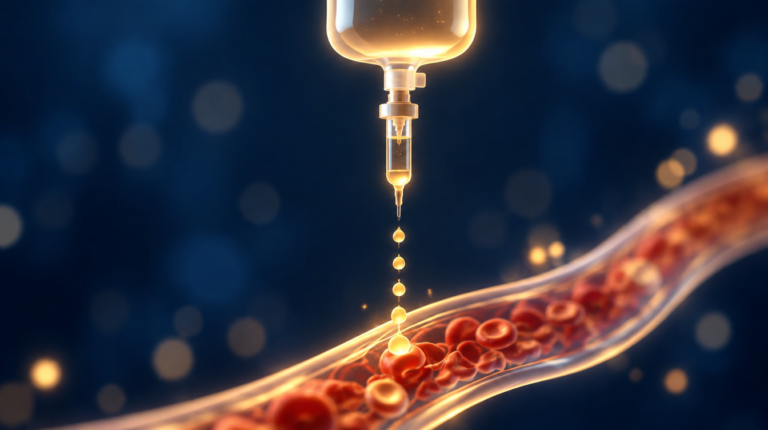
Stem cell therapies also differ in how they are delivered. Intravenous infusion distributes cells systemically and is used in wellness and immune-support protocols; targeted injection places cells directly at a problem site, such as a knee joint in osteoarthritis programmes; and combination protocols pair cell-based therapy with supportive treatments — physiotherapy, NAD+ IV therapy or nutritional support — to give the cells the best environment to work in. The delivery route follows the diagnosis: a systemic wellness goal and a single worn joint call for different approaches, which is another reason stem cell treatment should never be sold as a one-size-fits-all package.
Red Flags: When to Walk Away
- Guaranteed results, cure-all claims, or one product marketed for dozens of unrelated conditions
- No medical consultation, history-taking or diagnostics before treatment is offered
- No clear answer on the cell source, processing standards or product registration
- Pressure selling, package deals before assessment, or prices far below the market
- No follow-up plan or outcome monitoring
Frequently Asked Questions
Is stem cell therapy painful?
Most patients tolerate treatment well. Depending on the delivery route — intravenous or targeted injection — there may be brief discomfort at the site, and temporary soreness afterwards is common.
Will my body reject the stem cells?
Mesenchymal stem cells have low immunogenicity, meaning rejection in the classic transplant sense is uncommon — one reason MSCs are so widely studied. Your doctor will explain the source used (your own cells or donor-derived) and what that means for your treatment.
Do I need tests before starting?
Yes. Blood tests and relevant diagnostics are part of responsible stem cell treatment — they establish whether you are a suitable candidate and create the baseline for measuring your progress.
Is stem cell therapy suitable for everyone?
No. Certain conditions, active infections or medical circumstances make stem cell therapy inappropriate, and sometimes conventional treatment or physiotherapy is simply the better option. That determination is exactly what the consultation is for — learn more about stem cell therapy at RenewLife or book a doctor-led assessment in Petaling Jaya.
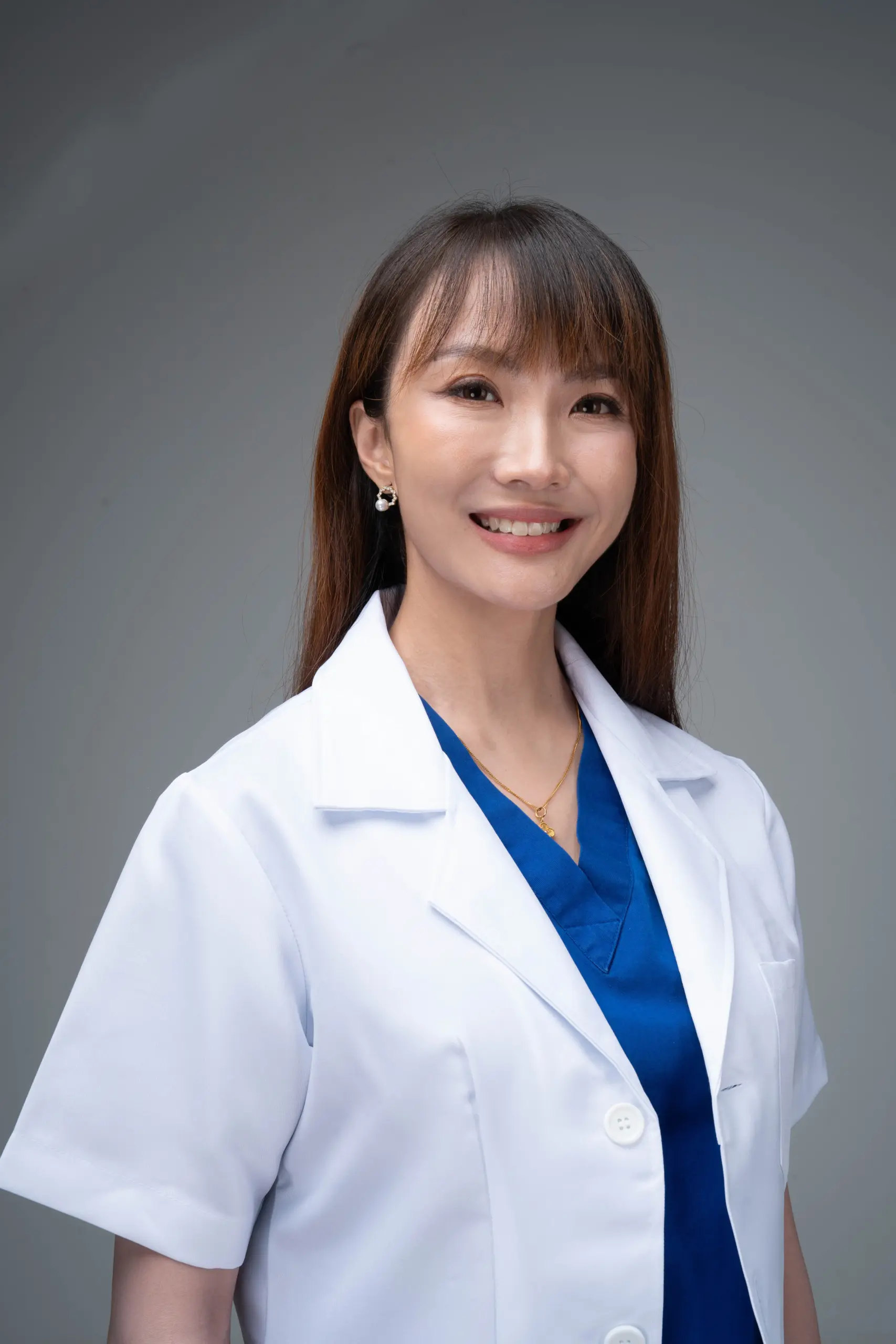
Dr Corine is a medical wellness practitioner at RenewLife, committed to helping patients achieve better health through personalised, preventive, and regenerative care. Her clinical approach focuses on understanding each individual’s needs and creating tailored wellness strategies that support long-term health, vitality, and quality of life.
Her areas of focus include regenerative wellness, women’s wellness, men’s health, metabolic health, weight management, and healthy ageing support. At RenewLife, she works closely with patients to provide professional medical guidance in a supportive and patient-centred environment.
Dr Corine believes that meaningful health transformation begins with early intervention, root-cause understanding, and a personalised plan designed for sustainable results.