Book a consultation

What Is Regenerative Medicine? A Patient’s Guide for Malaysia
A plain-language guide to regenerative medicine: the main treatments, who they may help, and what to realistically expect.
Medically reviewed by Dr. Corine Chua, Medical Director, RenewLife Healthcare.
Regenerative medicine is one of the fastest-growing areas of healthcare in Malaysia — and one of the most misunderstood. Patients hear about stem cells, PRP, exosomes and “anti-aging” programmes, often through marketing rather than medical explanation. This guide explains what regenerative medicine actually is, how it is regulated in Malaysia, what the evidence supports today, and how to decide whether it is relevant to your health goals.
What Is Regenerative Medicine?
Regenerative medicine is a branch of medicine focused on supporting, repairing or replacing damaged cells and tissues — working with the body’s own healing capacity rather than only suppressing symptoms. Where conventional treatment for a worn knee joint might rely on painkillers or eventual surgery, a regenerative approach asks a different question: can the tissue environment itself be supported to function better? That question sits at the heart of regeneration — and of the growing regenerative medicine sector in Malaysia.
The field covers several distinct approaches:
- Cell-based therapies — treatments using living cells, most commonly stem cell therapy using mesenchymal stem cells, which are studied for their role in tissue repair signalling and immune modulation. Stem cells are the foundation of most regenerative medicine programmes offered by Malaysian clinics today.
- Cell-free biologics — such as exosome and secretome therapy, which use signalling molecules released by stem cells rather than the cells themselves.
- Blood-derived therapies — such as platelet-rich plasma (PRP), which concentrates growth factors from your own blood to support tissue recovery.
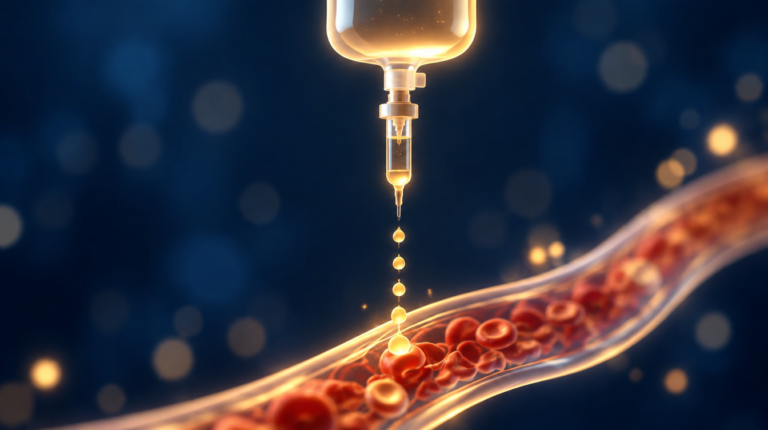
- Cellular support therapies — such as NAD+ IV therapy, aimed at supporting cellular energy metabolism as part of healthy-ageing programmes.
- Immune cell therapies — such as NK cell therapy, which supports immune resilience and is increasingly used in cancer support, prevention and adjunctive therapy alongside conventional treatment.
Why Stem Cells Are Central to Regenerative Medicine
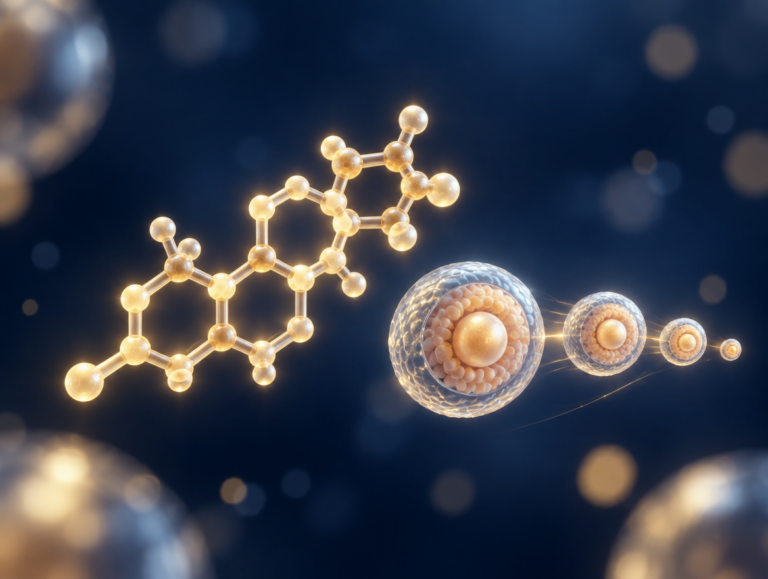
Most regenerative approaches trace back to what stem cells can do. Stem cells renew themselves and develop into specialised cell types, which is why stem cells drive tissue repair and regeneration throughout life — and why stem cell therapies anchor the field. Mesenchymal stem cells release signalling molecules that shape the healing environment; even cell-free treatments such as exosome therapy are derived from what stem cells secrete. In practice, Malaysian clinics build programmes around stem cell therapies for joints and recovery, while researchers study stem cells for conditions well beyond what clinics currently treat. Understanding this hierarchy — stem cells as the engine, other therapies as complements — helps patients see through marketing and ask better questions about any stem cell treatment they are offered.
Is Regenerative Medicine Regulated in Malaysia?
Yes — and this matters more than most patients realise. In Malaysia, cell and cell-derived therapies fall under Ministry of Health (MOH) oversight, with the National Pharmaceutical Regulatory Agency (NPRA) involved in regulating cell and gene therapy products. Universities such as Universiti Malaya and UKM run dedicated regenerative medicine research programmes, and professional bodies coordinate clinical standards locally.
For patients, the practical takeaway is a checklist. Before accepting any regenerative treatment in Malaysia, ask:
- Is the treatment provided by a registered medical practitioner after a proper consultation?
- What product is actually being used, and what is its source? Does it come from an NPRA-certified lab? (Only 10 labs in Malaysia are certified as of March 2026.) Ask about the amount and units given, the product’s quality and purity, and whether a product certificate is provided to you after treatment.
- Has the provider explained the evidence for your specific condition — not just general claims?
- Are outcomes described honestly, without guaranteed results?
What Can Regenerative Medicine Help With?
Applications under clinical use and study in Malaysia include:
- General tissue repair and recovery — supporting the repair, recovery and rejuvenation of cells after injury, strain or as part of preventive care.
- Joint and mobility problems — knee osteoarthritis and tendon injuries are among the most common reasons patients seek regenerative joint treatments, including PRP, exosomes and stem cells.
- Erectile dysfunction — regenerative approaches are increasingly used as part of ED management.
- Chronic metabolic conditions — including heart disease, stroke, diabetes, high cholesterol, hypertension, fatty liver and chronic kidney disease.
- Autoimmune disease — supporting immune regulation as part of a broader, doctor-led care plan.
- Healthy ageing and vitality — programmes combining cellular support therapies, nutrition and monitoring, such as anti-aging programmes.
- Immune and cancer support — an area of growing research interest, including NK cell approaches used for prevention and as adjunctive therapy.
It is equally important to say what regenerative medicine is not: it is not a cure-all, it does not reverse every condition, and for some patients conventional treatment, physiotherapy or lifestyle change remains the right first step. A credible clinic will tell you when regenerative treatment is not appropriate.
Regenerative Medicine Research in Malaysia
Malaysia is not just importing this field — it is building it. Universiti Malaya’s Faculty of Medicine offers a dedicated Master of Medical Science in Regenerative Medicine, and Universiti Kebangsaan Malaysia (UKM) runs an established tissue engineering and regenerative medicine research group. The Tissue Engineering and Regenerative Medicine Society of Malaysia (TESMA) connects researchers and clinicians nationally, and Malaysian hospitals have performed blood stem cell transplantation for decades. This academic foundation matters for patients: it means regenerative medicine in Malaysia develops within a scientific and regulatory culture, not a marketing vacuum.
Clinically, regenerative treatments are now available from providers ranging from orthopaedic specialists in Kuala Lumpur — where PRP and cell-based injections are used for knee osteoarthritis and sports injuries — to doctor-led wellness clinics in Petaling Jaya and the Klang Valley offering stem cell therapies, exosome treatment and cellular support programmes. The common thread across credible Malaysian providers is the same: assessment first, evidence-based recommendation second, treatment third.
How Much Does Regenerative Medicine Cost in Malaysia?
Cost depends heavily on the treatment class. As a general orientation: blood-derived treatments such as PRP are the most accessible per session; cell-free biologics — such as exosome and secretome therapy — sit in the middle; and cell-based therapies — such as stem cell and NK cell treatment, which require laboratory processing under strict standards — are the most significant investment, often reaching five figures in Ringgit depending on protocol and cell count. Treat any clinic that quotes a fixed price before assessing you with caution: appropriate pricing follows diagnosis, not the other way around.
How to Choose a Regenerative Medicine Clinic in Malaysia
Beyond the regulatory checklist above, look for four things: a doctor-led process (consultation and diagnostics before any treatment recommendation), transparency about evidence and limitations, transparency about product source and quality — where the product comes from, whether the lab is certified, and its purity — and continuity of care — follow-up and monitoring rather than a one-off procedure. At RenewLife’s regenerative medicine centre in Petaling Jaya, we diagnose and plan a personalised treatment that best suits your needs and condition, and continue to monitor your condition throughout your healing and recovery process.
Frequently Asked Questions
Is stem cell therapy legal in Malaysia?
Stem cell therapy is available in Malaysia within a regulated framework overseen by the MOH. The key is that treatments must be delivered through registered practitioners and compliant products — which is why choosing a doctor-led clinic matters.
Does regenerative medicine actually work?
It depends on your medical diagnosis and health condition. Different regenerative therapies suit different conditions, and each therapy has its own body of evidence-based research for specific health conditions. That is why a doctor’s assessment before any treatment is crucial — ask your doctor what the evidence shows for your specific situation.
Where can I get regenerative medicine in Petaling Jaya?
RenewLife Healthcare in Petaling Jaya provides doctor-led regenerative medicine programmes including stem cell, exosome/secretome, NK cell and NAD+ IV therapy. Book a consultation to find out which approach, if any, suits your health goals.
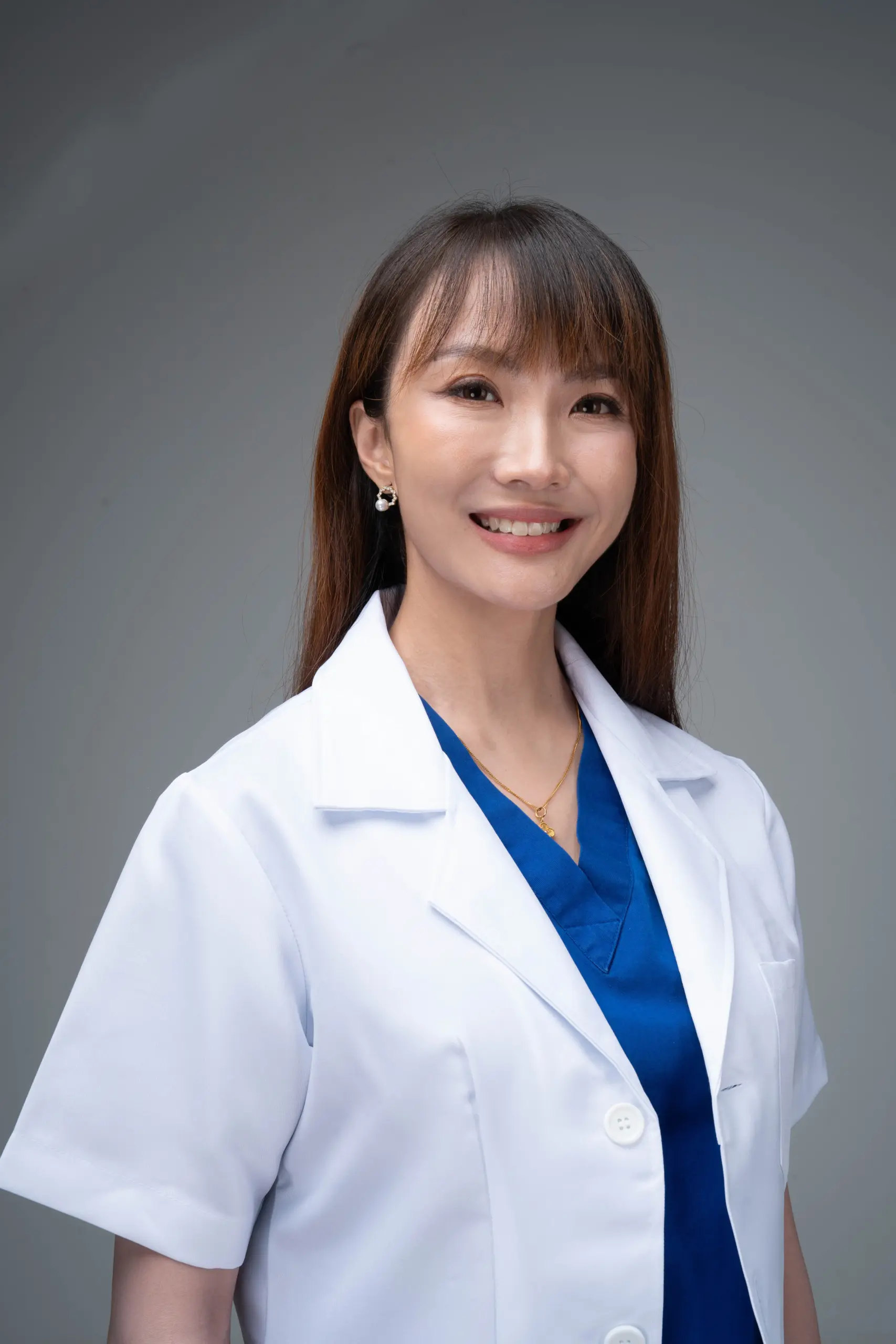
Dr Corine is a medical wellness practitioner at RenewLife, committed to helping patients achieve better health through personalised, preventive, and regenerative care. Her clinical approach focuses on understanding each individual’s needs and creating tailored wellness strategies that support long-term health, vitality, and quality of life.
Her areas of focus include regenerative wellness, women’s wellness, men’s health, metabolic health, weight management, and healthy ageing support. At RenewLife, she works closely with patients to provide professional medical guidance in a supportive and patient-centred environment.
Dr Corine believes that meaningful health transformation begins with early intervention, root-cause understanding, and a personalised plan designed for sustainable results.